


Views: 0 Author: Site Editor Publish Time: 2026-10-19 Origin: Site


The screech of a table saw. The smell of fresh lumber. A cloud of fine dust settling on every surface. A busy workshop is a space of creation and precision. It is also an unforgiving environment characterized by flying debris and wild temperature fluctuations. Achieving optimal visibility here is paramount.
Flexible LED strips are incredibly popular for task lighting due to their brilliant output. However, installing bare unprotected strips in a harsh garage environment is a recipe for premature failure. Exposed diodes quickly gather conductive sawdust. They suffer physical damage from swinging tools. They overheat when left running during long projects.
Housing delicate LED strips inside a robust metal extrusion is not merely a cosmetic upgrade. It is a critical functional necessity. This guide explores exactly why these housings are essential for demanding workspaces. We will examine how they actively protect your lighting investment and outline the exact engineering parameters needed to select the perfect configuration for your layout.
Thermal Management. Metal channels act as highly efficient heat sinks. They draw damaging thermal energy away from the diodes.
Physical Protection. Sturdy extrusions combined with polycarbonate covers shield fragile components from sawdust and accidental tool impacts.
Glare Reduction. Frosted diffusers completely eliminate the harsh dotting effect of bare diodes. This provides smooth even illumination crucial for precision tasks.
High Return on Investment. Upgrading from messy tape lights to permanent fixtures requires a slightly higher initial investment. The extended lifespan of the strips makes this highly cost-effective.
Looking at broader industry trends reveals a massive shift in how professionals approach garage and factory lighting. Recent market analyses highlight that commercial and home workshops are rapidly abandoning fragile temporary fixtures. Instead, there is a surge in demand for architectural-grade utility lighting. This transition is heavily driven by a growing emphasis on workspace ergonomics and energy efficiency. Reducing long-term electronic waste is also a major factor. Upgrading your workspace aligns with this modern standard. Superior glare-free lighting directly leads to fewer measuring mistakes and reduced eye fatigue.
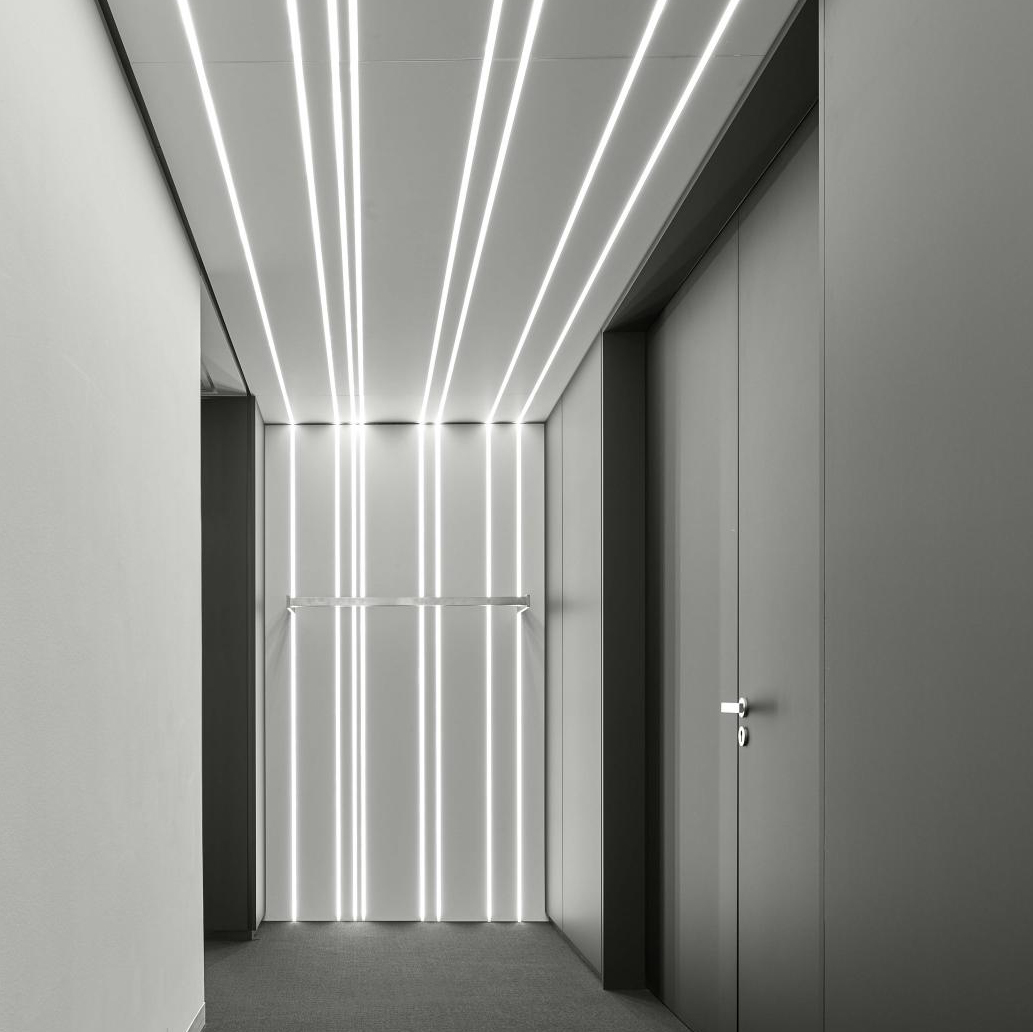
To understand the necessity of protective housings, look at the extreme vulnerability of bare LED strips. Standard adhesive-backed lights exposed in a workshop immediately become magnets for airborne contaminants. Fine sawdust and sharp metal shavings settle directly onto the exposed circuitry. Over time, this buildup dims the light output and causes electrical shorts.
Temperature fluctuations compound the issue. Garages often swing from freezing winter nights to sweltering summer afternoons. Rapid changes cause standard adhesive backing to degrade and peel. Your once-straight lighting ends up drooping over your workbench.
A pristine corporate setting where a standard office linear light might suffice is completely different. Controlled indoor environments lack flying debris. Unshielded lighting simply cannot survive the rigors of heavy-duty fabrication.
Performance Metric | Bare LED Strips | Aluminum LED Profile Lights |
|---|---|---|
Heat Dissipation | Poor. Prone to thermal degradation and color shifting. | Excellent. Acts as a dedicated heat sink for the diodes. |
Physical Protection | None. Highly vulnerable to dust, grease, and impact. | High. Polycarbonate cover shields against all debris. |
Glare Control | Severe eye strain from exposed bright diodes. | Smooth diffused light with zero visible dotting. |
Mounting Reliability | Weak adhesive prone to sagging in changing temperatures. | Secure mechanical mounting via steel clips or screws. |
Heat is the ultimate enemy of electronics. LEDs are highly efficient but still generate significant thermal energy at the diode level. Trapped heat degrades internal components rapidly. This leads to lumen depreciation and premature burnout. Mounting your strips inside an aluminum profile introduces a highly efficient thermal manager. Professional-grade fixtures often utilize 6063-T5 aviation aluminum. This specific alloy offers superior thermal conductivity. The metal absorbs heat generated by the diodes and dissipates it into the surrounding air. This simple thermodynamic exchange easily pushes the lifespan of your lighting system past 50,000 hours.
The physical barrier provided by the metal channel and its plastic cover is indispensable. Imagine accidentally swinging a heavy wrench upward. A bare strip would be instantly crushed. A rigid housing deflects rogue flying materials. When the polycarbonate cover inevitably gets covered in greasy fingerprints, you simply wipe it clean with a damp cloth. That is impossible to do with exposed circuitry.
Working under bare LEDs causes the frustrating dotting effect. Glaring reflections bounce off shiny metal tools and varnished wood. This causes severe eye strain. Utilizing a frosted or milky cover scatters and softens the light. High-quality diffusers maintain excellent light transmittance while creating a flawless continuous line of illumination. Visibility for detailed high-precision tasks improves drastically without blinding the user.
Abstract concepts must translate into practical choices. Here is how to specify the exact hardware for your layout.
Surface-mounted extrusions are the workhorses of garage lighting. They feature a flat back that attaches directly above workbenches or under heavy-duty storage racks. Their low-profile design ensures they stay out of the way while delivering massive amounts of downward light.
Targeted illumination requires V-shape channels. These profiles nestle snugly where the wall meets the ceiling. They angle the light at a precise 45 degrees. This directs the beam exactly onto your hands and tools rather than washing out the entire room.
Building custom workbenches calls for recessed options. Routing a groove into the wood surface allows the channel to sit completely flush. This creates a seamless LED line light that will never catch on sliding tools or lumber.
Precision is key before purchasing. Measure the width of your chosen LED strip. Common sizes are 8mm, 10mm, or 12mm. The internal width of the metal channel must be slightly larger than the strip. Premium channels offer internal widths like 12.5mm or 17.5mm to accommodate high-output double-row strips. Forcing a wide strip into a narrow channel causes it to buckle. This ruins both light output and thermal contact.
The extrusion provides excellent mechanical defense but is not entirely waterproof. Unheated garages prone to high humidity demand extra care. Pair the housing with an IP65 or IP67 rated silicone-coated strip. This double-layer approach ensures absolute immunity to environmental factors.
Proper installation guarantees longevity. Begin by measuring twice and cutting once. Soft aluminum trims easily using a standard hacksaw or a miter saw equipped with a non-ferrous metal blade. Always deburr the freshly cut edges with a file. Sharp metal burrs easily slice through the delicate dielectric layer of the tape light during installation.
Securing the fixtures requires the right hardware. Use snap-in mounting clips for easy maintenance. Heavy-duty double-sided tape works for smooth clean surfaces. Drilling directly through the back of the metal channel provides the most secure hold for exposed ceiling joists.
Plan your wiring routes carefully. Keep power supplies mounted high up and away from dust accumulation zones. Use cable raceways to hide low-voltage wires. A custom LED profile light system keeps your newly upgraded space uncluttered and safe.
Transforming a dark garage into a brilliantly lit workspace requires more than just sticky tape and bare diodes. A robust metal housing is a fundamentally necessary component for effective thermal management and physical protection. Taking the extra time to properly install your lighting inside high-quality extrusions rewards you with a professional-grade setup.
Do not let poor visibility hold back your craftsmanship. Assess your current workshop lighting today. Measure your workbenches and plan your layout. Visit https://www.contationled.com to find the exact 6063-T5 aluminum profiles, UV-resistant diffusers, and mounting accessories tailored to your specific project needs. Build the ultimate heavy-duty illumination system your workspace deserves.
Yes. Aluminum is a relatively soft metal. You can cut it to custom lengths to perfectly match your space. Use a standard hand hacksaw or a power miter saw equipped with a non-ferrous metal cutting blade. Remove the plastic diffuser and cut it separately to avoid cracking the plastic.
Absolutely. Heat is the primary cause of LED failure. Enclosed in a metal channel, the extrusion acts as a highly effective heat sink. It draws damaging thermal energy away from the diodes. This prevents premature dimming and total burnout.
Adhesive failure is common in workshops due to dust and temperature swings. To permanently secure your lighting, place the strips inside a metal extrusion. You then mount the extrusion to the ceiling using mechanical steel clips or screws. This completely eliminates reliance on weak adhesive tape.
For detailed fabrication and woodworking, a color temperature between 4000K and 5000K is ideal. This range provides a crisp neutral white light. It enhances contrast and visibility without the harsh bluish tint found in 6000K lights, which helps reduce eye strain during long projects.


