


Views: 0 Author: Site Editor Publish Time: 2026-10-13 Origin: Site


Are hexagon grid lights worth the high investment? Outfitting a professional detailing studio or upgrading a personal workspace requires careful planning. These geometric fixtures offer undeniable visual appeal and massive lumen output. However, cheap unbranded kits often fail quickly. They leave buyers with zero support and a ceiling full of dead pixels.
Reliable manufacturers understand that lighting is a long-term structural investment. This is exactly why they offer solid and transparent warranties. In this comprehensive guide, we will break down what standard warranty terms actually cover. You will learn what actions void these agreements and how to properly protect your facility's electrical infrastructure.
Standard Coverage Periods: Reputable manufacturers typically offer warranties ranging from two to five years. This duration strictly depends on whether the product is engineered for casual residential use or rigorous commercial applications.
Component Inclusions: Authentic warranties comprehensively cover manufacturing defects, premature LED diode burnout, and primary power supply hardware failures. Lumen depreciation beyond acceptable industry standards is also a critical factor.
Common Void Conditions: Improper DIY installation and unauthorized electrical modifications are the most frequent reasons a warranty claim gets denied. Using incompatible third-party dimmers or exposing indoor fixtures to unrated environmental conditions will also nullify your coverage.
Smart Lighting Variances: When investing in garage stylish hexagonal RGB lighting, buyers must pay special attention to the clauses regarding smart controllers. Electronic accessories often carry shorter coverage terms than the physical aluminum LED tubes.
Pre-Purchase Indicators: Always look for recognized safety certifications such as UL, ETL, CE, and RoHS. These independent testing benchmarks act as strong indicators of a manufacturer's structural quality and financial willingness to honor long-term agreements.
In the commercial lighting industry, the initial purchase price is merely a fraction of the total cost of ownership. Budget hexagon panels frequently utilize inferior polycarbonate or thin plastic housings. These cheap materials completely lack proper thermal management. LEDs generate significant heat at the diode junction. Poor heat dissipation inevitably leads to thermal runaway. This specific thermal failure causes the lights to burn out prematurely. When you purchase from unverified sellers without a reliable warranty, a failed power supply means you must buy entirely new replacement parts out of pocket. Consequently, over a two-year period, the lack of a guarantee often results in maintenance costs that far exceed the price of a premium kit.
For large-scale structural setups, lighting represents a major business investment. Professional gyms, retail showrooms, and commercial auto detailing shops often require dozens of tubes and complex wiring configurations. A robust warranty acts as a critical insurance policy for these expansive grids. Imagine standing in your newly built detailing bay, only to have a massive dark spot in your ceiling because a cheap driver failed. If a batch of drivers fails due to a manufacturing defect, the labor and material costs to replace them are substantial. A comprehensive warranty ensures your daily business operations are not financially penalized by unforeseen hardware malfunctions.
Within the electrical engineering sector, a warranty length serves as a direct mathematical correlation to the manufacturer's Mean Time Between Failures testing. Essentially, a warranty reflects a brand's statistical confidence in their own internal engineering. If a manufacturer offers a five-year warranty, their rigorous testing indicates that the internal capacitors, thermal paste, and LED chips are designed to easily surpass 50,000 hours of continuous operation. In contrast, a 90-day or one-year policy strongly suggests the use of lower-tier components prone to early mortality.
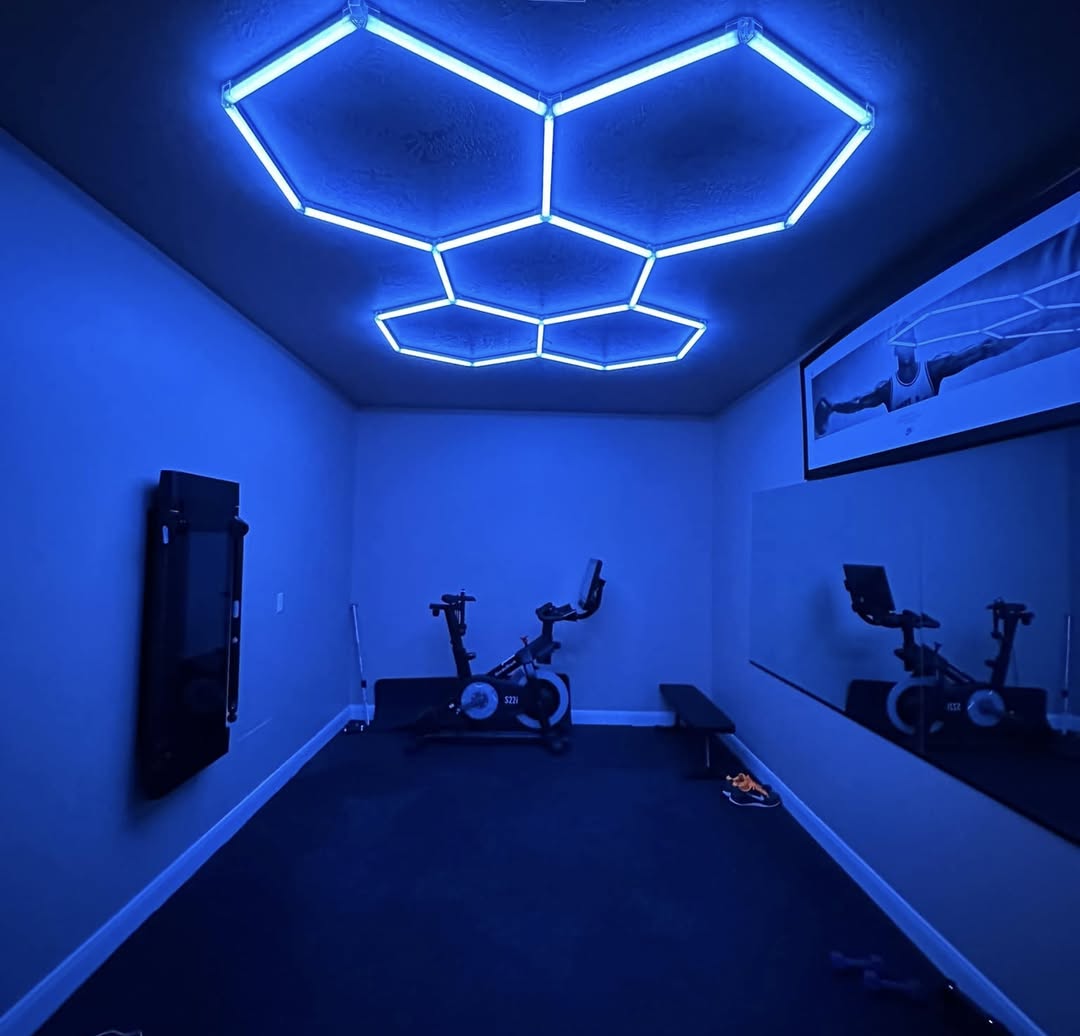
Recent market data and commercial lighting trend analyses reveal a significant shift in customer protection standards. Over the past few years, the lighting industry has rapidly moved away from the basic twelve-month guarantee. Driven by stricter energy efficiency codes and the rising demand for sustainable building materials, top-tier manufacturers are now adopting three to five-year warranties as a baseline for commercial-grade fixtures. This positive trend is heavily supported by advancements in aviation-grade aluminum heat sinks and solid-state drivers. These upgraded materials drastically reduce early mortality rates. As a result, informed buyers now leverage these extended warranty terms as a primary filter to distinguish premium engineering from white-labeled budget imports.
A one-year warranty represents the absolute bare minimum in the lighting industry. You will typically find this on drop-shipped or entry-level residential kits. This baseline policy is primarily designed to cover immediate out-of-the-box manufacturing defects. Examples include a cracked tube during shipping or a power supply that arrives completely dead. However, it offers virtually no protection against the long-term degradation of internal electronics. This leaves the buyer highly vulnerable to standard component wear and tear after the first twelve months.
The vast majority of reputable manufacturers position their standard products within the two to three-year warranty tier. This specific duration covers the critical operational period where early electronic component failures are most likely to manifest. The AC to DC driver is particularly vulnerable during this timeframe. A three-year warranty provides an excellent balance for prosumers and residential garage owners. It ensures that if the lights survive the initial heavy usage phase without issue, they are structurally sound enough to last for a decade under normal environmental conditions.
Defining the premium tier of the market, five-year commercial warranties are reserved for top-of-the-line setups. Brands offering this level of coverage utilize high-grade aviation extruded aluminum frames. These frames provide superior heat sinking capabilities alongside top-tier LED chips built for continuous industrial use. Furthermore, these warranties often come with Service Level Agreements tailored specifically for commercial buyers. This ensures the rapid replacement of parts to minimize costly business downtime.
Warranty Tier | Target Application | Typical Housing Material | Primary Coverage Focus |
|---|---|---|---|
1-Year | Casual DIY / Budget Residential | PVC / Polycarbonate | Out-of-box defects & shipping damage |
2 to 3-Year | Prosumer Garages / Workshops | Standard Aluminum | Early mortality of electronic drivers |
5-Year | Industrial / Auto Detailing | Aviation-Grade Aluminum | Long-term diode stability & structural integrity |
A primary component of any hexagon light warranty is the comprehensive coverage of the LED tubes themselves. This protection includes guarding against dead pixels, which are isolated sections of the tube that go entirely dark. It also covers severe lumen depreciation and noticeable color shifting. For instance, if a 6500K pure white tube is rated for 110 lumens per watt but begins to emit a heavily yellowed hue prematurely due to phosphor degradation, reputable manufacturers will classify this as a manufacturing defect. They will promptly issue a replacement tube to maintain your grid's visual consistency.
Statistically speaking, the power driver is the most common point of failure in any LED lighting system. This essential transformer converts high-voltage wall power into stable low-voltage direct current. These drivers rely heavily on electrolytic capacitors, which can dry out or fail under high thermal loads. High-quality manufacturers explicitly cover driver failures in their warranty terms. If the original unit stops regulating voltage correctly under standard electrical conditions, they will provide a free replacement power supply to get your grid back online.
Hexagon grids rely on a highly complex network of Y-connectors, V-connectors, and 120-degree joints. These parts seamlessly pass electrical current from one tube to the next. These vital connectors contain internal copper pins and delicate wiring harnesses. If a connector cracks under standard environmental conditions, or if the internal pins fail to conduct electricity despite proper installation, a robust warranty will cover these structural linkage components without hesitation.
The absolute quickest way to void a warranty is through improper electrical installation. Hexagon lighting systems operate on highly specific voltage parameters. Hardwiring a low-voltage light grid directly to high-voltage mains without utilizing the manufacturer-provided transformer will instantly destroy the sensitive diodes. This mistake voids all coverage immediately. Furthermore, failing to adhere strictly to the manufacturer's wiring diagram will overload the driver and nullify the agreement. For example, exceeding the maximum number of tubes allowed on a single daisy-chained power circuit is a common installation error that leads to denied claims.
Unless a lighting system is explicitly certified with an IP54 or higher ingress protection rating specifically for wet locations, installing standard indoor hexagon lights in a damp environment will void the warranty terms. Placing IP20-rated fixtures in an open carport, a high-humidity commercial car wash, or an unsealed outdoor patio allows moisture to corrode the printed circuit boards. Support teams will routinely deny claims if there is visible evidence of water damage, rust, or oxidation on the internal electronics.
Warranties are strictly bound to the product existing in its factory-original state. Attempting unauthorized modifications will instantly cancel all coverage. This includes physically cutting the LED tubes to fit a custom ceiling dimension. Splicing the factory wiring harnesses or integrating third-party aftermarket dimmers into a non-dimmable circuit will also void the policy. Manufacturers simply cannot guarantee the safety or functionality of a product once its core electrical architecture has been altered by the end-user.
When upgrading to dynamic color-changing setups, the hardware ecosystem becomes significantly more complex. A premium setup featuring garage stylish hexagonal RGB lighting includes not just the light tubes, but also sophisticated electronic components. These systems utilize smart integrated circuit control boxes, Bluetooth receivers, and radio frequency remotes to manage individual pixel colors. Because these smart controllers are inherently more sensitive to voltage spikes and static interference than standard white LEDs, manufacturers frequently segment their warranties. It is quite common to see a robust three-year warranty on the physical aluminum LED tubes, but only a one-year warranty on the RGB smart controller and power receiver.
For RGB lighting systems controlled via smartphone applications, the concept of a warranty extends well beyond physical hardware. It moves into the realm of software support. Reputable brands provide ongoing firmware updates and dedicated customer service to troubleshoot app connectivity issues. While software bugs do not typically fall under traditional hardware replacement warranties, a manufacturer's ongoing commitment to maintaining their app's compatibility with newer operating systems acts as a crucial extension of their product guarantee.
Deciding whether to purchase an extended warranty depends entirely on your intended operational environment. For a residential garage where the lights are used casually for just a few hours a week, the standard two-year warranty is mathematically sufficient. In contrast, if the lights are being installed in a bustling commercial auto shop or a 24-hour gym where they will run for twelve to eighteen hours a day, an extended warranty represents a highly strategic return on investment. The intense thermal load of continuous operation accelerates component wear. This makes a five-year extended protection plan a financially sound decision.
Many top-tier manufacturers offer a paid upgrade at the point of checkout. This allows buyers to seamlessly extend a standard two-year policy to a comprehensive five-year policy. These extended terms typically lock in coverage for both replacement parts and the associated shipping costs for those parts. When evaluating these offers, buyers should carefully read the fine print. Ensure the extension covers the power drivers, which are the most critical and vulnerable components, and not just the aluminum housing.
While understanding warranty terms is a critical step in the purchasing process, the ultimate goal is to never actually need to use that warranty. High-quality manufacturing significantly reduces the likelihood of component failure. This saves you the time and operational downtime associated with filing a claim. Before relying entirely on a warranty document, buyers should evaluate the physical and electrical quality of the lighting system.
The most objective indicator of a manufacturer's commitment to quality is the presence of recognized safety certifications. When evaluating a lighting system, checking for independent laboratory testing should be your first priority. These certifications prove that the product has undergone rigorous testing for electrical stability, heat resistance, and fire safety.
Underwriters Laboratories Certification: In the North American market, a UL listing is the gold standard. It indicates that the power supplies, wiring, and LED diodes meet strict safety requirements. If a product lacks this certification, many commercial insurance policies will not cover fire damage caused by the fixture.
ETL Certification: Similar to UL, ETL tests to the exact same safety standards. It is a highly respected alternative that guarantees the product is safe for continuous daily use.
CE Marking: For the European market, the CE mark indicates conformity with health, safety, and environmental protection standards. Reputable brands always have third-party documentation to back up their claims.
RoHS Compliance: This certification ensures the product is completely free from hazardous materials like lead and mercury. This is particularly important for enclosed indoor environments.
The physical housing of the LED tubes plays a dual role. It provides structural rigidity for the geometric grid and acts as an active heat sink for the SMD5050 LED diodes. Heat is the primary enemy that degrades LED lifespan. Therefore, the material used in the construction of the tubes directly impacts whether you will need to file a warranty claim for premature burnout.
When sourcing a premium hexagonal LED panel, prioritizing aluminum construction is non-negotiable. Polycarbonate or plastic housings trap heat inside the tube. This leads to faster diode degradation and structural sagging over time. Conversely, aviation aluminum housings pull damaging heat away from the diodes. This superior thermal management maximizes lifespan and maintains perfect geometric shapes without warping. If a brand offers a five-year warranty on a plastic-housed system, buyers should be highly skeptical. The physics of heat dissipation make it incredibly unlikely the product will survive that duration under daily commercial use.
Even with the highest quality control standards, electronic components can occasionally fail. Unexpected power surges, microscopic manufacturing defects, or rough shipping handling can result in a dead tube or a malfunctioning driver. When this happens, understanding the standard operating procedures for filing a warranty claim ensures a smooth and rapid resolution. This minimizes your facility's downtime.
The foundation of any successful warranty claim is providing undeniable proof of the failure. Manufacturers cannot dispatch replacement parts based solely on a text description. They require clear visual evidence to diagnose the issue remotely. Before dismantling the lighting grid from your ceiling, take wide-angle photos to capture the entire setup. Show exactly which section is failing. Follow this up with close-up videos demonstrating the specific defect, such as rapid flickering. Finally, perform a swap test by taking a known working tube and plugging it into the failing slot. Recording this swap on video proves whether the issue lies within the LED tube itself or the power connector.
Warranty periods officially begin on the date of purchase or the date of delivery. To validate your coverage window, you must provide specific documentation to the manufacturer's support team. Ensure you have your original order number and invoice ready. This proves you purchased directly from the manufacturer or an authorized dealer. Additionally, identifying the exact product model ensures they send the correct replacement parts. If your warranty requires professional installation, you will also need to provide the official invoice from the licensed electrician who completed the hardwired setup.
Once your documentation is compiled, initiate contact through the manufacturer's official warranty portal. Clear and concise communication accompanied by your photo and video evidence usually results in an approval within 24 to 48 hours. However, buyers must be aware of industry-standard shipping policies regarding replacement parts. While the replacement hardware is covered under the warranty, logistics costs are often tiered. Within the first 90 days, most reputable brands cover all costs, including shipping. From 90 days to one year, the part is free, but the customer typically pays standard shipping. For multi-year warranties extending into year two and beyond, the customer is generally responsible for all freight and handling costs to receive the free replacement part.
The lifespan of high-quality hexagon LED lights is determined by the L70 standard. This means the LED diodes are rated to operate for a specific number of hours before their brightness degrades to 70 percent of their original lumen output. Most reputable manufacturers build their systems to last for roughly 50,000 hours. To put this into perspective, if you operate your garage lights for eight hours every single day, it would take approximately 17 years to reach the 50,000-hour mark. Even in a commercial setting where the lights are left on for twelve hours a day, the system is expected to perform reliably for over eleven years.
No, they are relatively straightforward to install. Modern modular designs utilize plug-and-play connectors that snap together easily. For drywall ceilings, you can anchor the lightweight aluminum tubes directly using standard drywall anchors and screws provided in the kit. Alternatively, for larger commercial grids, many installers prefer to mount the hexagon lights to a custom suspended drop-ceiling grid for perfectly leveled alignment.
Absolutely not. Cutting the physical LED tubes severs the internal printed circuit board and instantly voids your warranty. These tubes are engineered to specific electrical lengths. Instead of cutting them, you should adjust your overall ceiling layout using different connector configurations to perfectly fit your available room dimensions.
The answer depends strictly on the type of system you purchase and the specific terms outlined by the manufacturer. If you purchase a plug-and-play system that comes with standard wall adapters, these are designed explicitly for DIY installation. As long as you follow the provided wiring diagram, your warranty remains fully intact. However, if you purchase a hardwired commercial system that must be integrated directly into your building's electrical mains, many manufacturers require proof of professional installation.
Shipping coverage for warranty claims is usually tiered based on how long you have owned the product. Industry data shows that if a manufacturing defect exists, it will typically reveal itself within the first 30 to 90 days of operation. During this initial period, premium manufacturers will almost always cover the cost of the replacement part and the shipping fees. After this initial grace period, the policy usually shifts. If a driver fails in year two of a three-year warranty, the manufacturer will provide the physical replacement hardware at no cost, but the buyer is generally responsible for paying the shipping and handling fees.
No, you absolutely do not have to replace the entire grid. One of the primary engineering advantages of hexagon LED lighting is its modular design. The systems are wired in a parallel-series configuration using specialized connectors. If a single LED tube experiences diode failure or physical damage, it will not break the electrical circuit for the rest of the ceiling. The surrounding tubes will remain brightly illuminated. To fix the issue, you simply unplug the dead tube and snap the new one into place.
A strong warranty is the ultimate proof that a product is built to last. While the visual impact of geometric lighting is stunning, protecting your investment requires looking past the aesthetics and diving into the engineering specifications. Always ensure your chosen coverage lasts at least two to three years and explicitly covers critical components like the LED diodes and power supplies. By choosing reliable brands that fully support their electrical systems, you guarantee that your workspace remains brilliantly illuminated for years to come. Do not just focus on the flashy design. Prioritize heavy-duty construction and comprehensive customer support. Review our catalog of durable, fully-warrantied garage stylish hexagonal RGB lighting panels today. Visit Contation LED to find the perfect commercial-grade fit for your next project.


