


Views: 0 Author: Site Editor Publish Time: 2026-10-05 Origin: Site


Are you tired of navigating a dark, dusty garage where finding a simple tool feels like a chore? You might be trying to polish a clear coat, but standard bulbs create harsh shadows that hide swirl marks. Perhaps you are setting up a home gym, and the uneven lighting blinds you during floor exercises. Standard illumination simply falls short of the adaptability required for diverse daily tasks.
Let us break down the specific features that matter when upgrading your space. We will dive into the technical nuances of choosing a dimmable geometric lighting system that marries high-end aesthetics with practical, everyday functionality. Stop guessing about your lighting setup and start planning like a professional.
Dimmable versatility: Adjustable illumination levels allow users to switch seamlessly from intense automotive detailing to relaxed ambient lighting.
Control compatibility: Not all fixtures support dimming. Those that do require specific control systems like TRIAC or 0-10V dimmer switches to prevent flickering.
Shadow elimination: Upgrading to a honeycomb grid significantly reduces harsh shadows by providing overlapping, multi-directional light beams.
Thermal management: Aviation-grade aluminum frames provide superior heat dissipation compared to standard polycarbonate plastic, drastically extending diode lifespan.
Wiring requirements: Dimmable systems often necessitate additional low-voltage wiring configurations that differ from basic plug-and-play setups.
For decades, the standard approach to garage illumination relied heavily on single incandescent bulbs or linear fluorescent tubes. While somewhat functional, these traditional Garage Ceiling Light setups present severe objective limitations. Fluorescent tubes emit light in a 360-degree radius. This means a significant portion of the output is directed toward the ceiling and lost unless reflected efficiently. Furthermore, point-source lighting creates harsh, distinct shadows that obscure visibility in critical work areas like engine bays or workbenches.
Recent industry data highlights a massive shift in residential design. The garage is no longer viewed merely as a utilitarian storage unit. Instead, it is rapidly evolving into an extension of the primary living area. We are seeing a surge in high-end detailing bays, professional-grade home fitness centers, and interactive workshops. This architectural evolution has driven a massive demand for commercial-grade, adaptable lighting solutions. Smart, tunable grids are now a standard expectation rather than a luxury add-on, effectively pushing outdated fluorescent fixtures into obsolescence.
The structural geometry of modern lighting grids addresses these traditional flaws through superior spatial light distribution. By arranging light-emitting diodes in an interconnected honeycomb pattern, the light source is dispersed across a much larger surface area. Consequently, multiple beams of light overlap from distinct angles.
From an empirical standpoint, overlapping light waves cancel out shadows. The result is uniform, flat illumination. This is a non-negotiable requirement for precision tasks like automotive paint correction, where technicians must identify micro-scratches without the deceptive interference of artificial shadows. Beyond performance, the transition to modular solid-state technology completely eliminates the frustrating flickering and humming often associated with aging fluorescent ballasts.
High lumen output is undeniably beneficial for detailed mechanical work. However, operating fixtures at maximum capacity is not always necessary or visually comfortable. The primary advantage of a dimmable system lies in its unparalleled adaptability. Integrating a dimming function instantly transforms a single-purpose workspace into a multi-functional environment.
Task Versatility and Visual Comfort
Different activities demand distinct lighting intensities. Consider these practical scenarios:
100 Percent Brightness: Essential for tasks demanding high visual acuity. This includes engine rebuilding, intricate woodworking, or precision automotive detailing.
50 Percent Brightness: Perfectly suited for general utility purposes. This level is ideal for parking vehicles, organizing tool chests, or conducting floor exercises without experiencing blinding glare when looking upward.
20 Percent Brightness: Ideal for ambient illumination. This lower setting serves brilliantly as security lighting or creates a relaxed lounge atmosphere if the room doubles as a recreational space.
Energy Efficiency and Thermal Reduction
Lowering the intensity of your fixtures is not merely about aesthetic mood control. It serves as a highly measurable energy-saving strategy. When a compatible driver reduces the electrical current supplied to the diodes, the wattage consumption drops proportionally. Over months of use, this reduction in power draw directly lowers electricity costs. More importantly, operating at a lower capacity drastically reduces the internal heat generated by the diodes. This is a critical factor in preventing premature hardware failure.
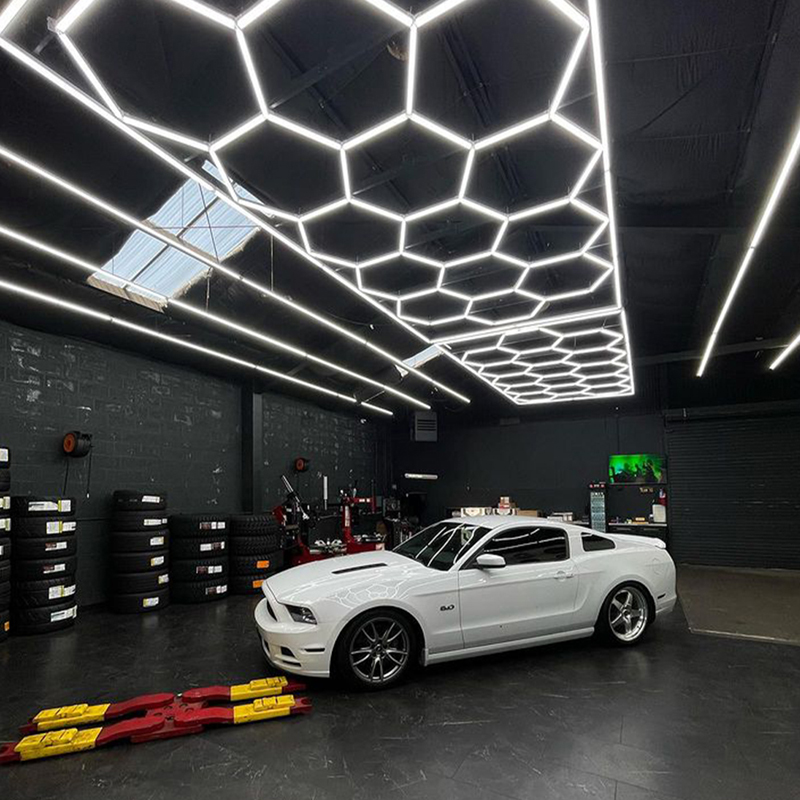
Navigating the current market requires a thorough understanding of technical specifications. I have seen countless drivers fry because of mismatched components. To ensure long-term reliability, you must critically evaluate several core components before making a purchase.
The most frequent point of failure in custom lighting installations is a blatant mismatch between the power driver and the wall switch. Therefore, you must meticulously verify the specific dimming protocol utilized by the light fixture.
TRIAC Phase-Cut Dimming: Serving as the standard technology in most residential homes, it works by cutting off a portion of the alternating current voltage. If a grid supports TRIAC, it can usually be hardwired into your existing living room or garage dimmer switches seamlessly.
0-10V Dimming: Predominantly found in commercial applications, this robust analog system utilizes two separate low-voltage wires to send a precise signal to the driver. While it provides incredibly smooth dimming down to 1 percent, it does require pulling additional control wires through the drywall.
Attempting to force a non-compatible switch will almost certainly result in visible strobe flickering, irritating buzzing noises, and eventual destruction of the driver circuitry.
Evaluating true brightness requires looking at lumen output rather than wattage. A standard two-car bay measuring approximately 400 square feet generally requires a system delivering high luminous efficacy. Look for specifications offering 110 to 120 lumens per watt for maximum efficiency.
Color temperature dictates the visual warmth or coolness of the beam. For a mechanical environment, the optimal rating is 6500K. This provides a crisp daylight white that accurately represents paint colors without feeling overly sterile. Additionally, prioritize a Color Rendering Index greater than 90. A high CRI ensures that the light reveals the true, unadulterated condition of surfaces, which is vital for detailing work.
The structural housing of the modules plays a pivotal role in both physical durability and thermal management. The market generally offers two distinct materials: standard polycarbonate plastic and aviation-grade aluminum.
Polycarbonate fixtures are undeniably lightweight and budget-friendly. Yet, they possess notoriously poor thermal conductivity. Over time, the continuous heat generated by high-output diodes can cause cheap plastic connectors to become brittle, sag under their own weight, or warp entirely. In stark contrast, aluminum acts as a highly efficient heat sink. By actively drawing heat away from the sensitive internal chips and dissipating it into the surrounding air, aluminum frames keep the components within safe operating thresholds.
Material Type | Thermal Conductivity | Structural Integrity | Lifespan Impact |
|---|---|---|---|
Standard Polycarbonate | Poor. Traps heat inside the tube. | Prone to sagging and warping over large spans. | Accelerates diode degradation due to overheating. |
Aviation-Grade Aluminum | Excellent. Acts as an active heat sink. | Rigid and stable. Keeps large grids perfectly flat. | Maximizes the 50,000-hour L70 lifespan rating. |
When selecting a premium Hexagon LED Garage Light, prioritizing aluminum construction with a durable PC cover is absolutely essential for preventing grid sagging over large spans.
A top-tier system should always feature a modular architecture. This allows you to custom-tailor the grid size to fit highly specific ceiling dimensions or navigate around obstacles like garage door openers. Look for kits that include standardized 120-degree Y-connectors and 180-degree straight connectors with secure, integrated pin mechanisms for safe AC100-240V power delivery.
When calculating the return on investment for property upgrades, hardware lifespan remains a primary metric. High-quality geometric systems are typically rated for an L70 lifespan of 50,000 hours. The L70 designation is a rigorous industry standard. It indicates the precise point at which the diode lumen output will finally depreciate to 70 percent of its initial out-of-the-box brightness.
To contextualize this benchmark, if the grid is operated for a demanding 8 hours every single day, a 50,000-hour rating translates to over 17 years of reliable, heavy-duty use before any noticeable reduction in brightness occurs.
However, the actual real-world lifespan of any electronic component is heavily dependent on thermal management. Excessive heat actively degrades the phosphor coating on the chip. Utilizing the dimming feature actively extends the hardware life. By frequently operating the room at 60 or 80 percent capacity rather than a constant blistering maximum, the thermal load on the internal driver is significantly reduced.
Upgrading your standard overhead illumination to a modular geometric grid is a straightforward process, provided you grasp the specific electrical requirements. Unlike basic shop fixtures, dimmable systems demand careful attention to the drivers and the existing wiring infrastructure hidden behind your drywall.
The most critical component of the entire setup is the power driver. This device acts as the power supply, converting high-voltage alternating current from your breaker into the smooth, low-voltage direct current that diodes need to operate. For the dimming function to perform flawlessly without micro-flickering, the driver must be perfectly matched with your wall switch.
If your building is not pre-wired for a 0-10V system, you will either need to fish new wires through the ceiling or seek out systems compatible with TRIAC dimmers. TRIAC setups conveniently utilize standard residential electrical wiring, saving considerable time and labor costs during installation.
Flexibility during installation is a major advantage of modern modular designs. Depending on your specific ceiling architecture, you generally have two primary mounting methods.
If you possess a finished drywall or flat wooden ceiling, the connectors can be screwed directly into the surface using standard anchors. This provides a clean, highly integrated, and flush aesthetic. Conversely, for spaces with exceptionally high, vaulted, or unfinished open-rafter ceilings, suspending the grid using steel aircraft cables is the optimal choice. This technique allows you to drop the light source closer to your workbench or vehicle, maximizing lumen delivery exactly where it is needed.
Before drilling a single hole in your ceiling, assemble the entire grid upside down on the garage floor. This crucial step allows you to ensure every connector node is securely snapped into place and that the power cables are routed logically. Testing the system on the floor with a temporary plug confirms that the dimming function operates smoothly before you commit to the strenuous overhead installation.
The transition from a single glaring bulb to a comprehensive geometric grid achieves much more than just increasing overall brightness. It fundamentally alters how the room functions. By integrating a premium LED Honeycomb Light, you are adopting advanced lighting principles previously reserved exclusively for professional photography studios and high-end showrooms.
For automotive enthusiasts and professional detailers, lighting is a critical tool. Standard directional lighting creates harsh glare points, making it incredibly difficult to spot swirl marks or uneven ceramic coating applications. The honeycomb design provides 360-degree shadowless illumination. By dimming the output to around 70 percent, detailers can effectively reduce surface glare on highly reflective metallic paints, allowing for surgical precision during paint correction.
As remote work trends continue, garages are increasingly being converted into personal health centers. Staring directly into high-output diodes during bench presses or floor exercises causes severe eye fatigue. The ability to dim your overhead system transforms the environment instantly. You can maintain absolute maximum brightness for high-intensity interval training to promote psychological alertness, and then smoothly dim the system down for stretching routines, crafting a calming, low-stress ambiance.
In a commercial retail setting, visual presentation directly drives perceived monetary value. A geometric grid naturally draws the customer eye upward, making the showroom feel significantly larger and decidedly modern. Car dealerships, vinyl wrap shops, and high-end boutiques use these specific fixtures to create a captivating halo effect around their flagship products. Furthermore, the dimming capability allows business owners to dynamically adjust the ambient lighting based on the natural daylight entering through storefront windows.
When thoroughly evaluating a property upgrade, savvy consumers must weigh the initial purchase price against long-term operational costs and daily functional benefits. High-quality dimmable systems admittedly carry a higher upfront cost than cheap, non-dimmable equivalents found at big-box hardware stores. However, the total return on investment is substantial.
The added financial cost for dimming technology is merely a fraction of the total fixture price, yet it effectively doubles the usability and versatility of the room. As established, operating at a dimmed capacity significantly reduces the thermal load. Heat remains the primary enemy of electronic longevity. By running your setup at 80 percent brightness for mundane daily tasks, you can effortlessly extend the lifespan of the fixture well beyond the standard benchmark.
Generally, no. The drivers inside the housing must be specifically manufactured and programmed to interpret dimming signals from a wall switch. Attempting to connect a basic, non-dimmable fixture to a dimmer switch will almost certainly cause severe flickering, audible buzzing, and will ultimately fry both the internal circuitry and the switch itself.
While physically assembling the aluminum grid on the floor is a very accessible DIY process, the electrical hardwiring phase may not be. Wiring a new dimmable wall switch or routing low-voltage cables requires working directly with your home main electrical panel. Depending on your local building codes and personal comfort level with high voltage, hiring a licensed electrician is highly recommended to ensure absolute safety and legal compliance.
As a reliable rule of thumb, a standard 5-hex to 14-hex interconnected grid usually covers a typical 20x20 foot space perfectly. The exact number of modules depends entirely on your desired lumen output and whether the space is used for general vehicle parking or high-detail precision work like automotive paint correction.
Yes, absolutely. High-quality honeycomb grids produce significantly more usable lumens than traditional single-bulb or linear fluorescent tube fixtures. Because the geometric, interconnected design spreads the light source across a much wider surface area of the ceiling, it provides comprehensive, wall-to-wall illumination that completely eliminates dark corners.
For mechanical and detailing work, a color temperature of 6500K provides a crisp daylight white. This specific spectrum reveals true paint colors and highlights surface imperfections clearly, avoiding the yellow tint often found in lower Kelvin bulbs.
Yes. While flush mounting is perfect for flat drywall, sloped or vaulted ceilings require suspended cable mounting. By using adjustable aircraft cables, you can level the entire lighting grid perfectly parallel to your floor, ensuring uniform light distribution regardless of the roof pitch.
Ultimately, the decision rests on the intended utility of your space. For homeowners actively transforming their property into a dynamic workshop, fitness center, or vehicle showcase, the shadowless clarity and precise environmental control offered by these systems represent a verifiable, high-yield investment. If you are ready to elevate your space, prioritizing a premium Hexagon LED Garage Light built with aviation-grade aluminum and certified drivers is a non-negotiable step toward lasting quality. Visit Contation LED today to find the exact specifications and configurations tailored for your next major garage transformation.


